
 Indica
 Sativa
 Hybrid
 High THC Seeds
 F1 Auto Seeds
 Cup Winners
 High CBD seeds
 Cali seeds
 Haze seeds
 Cheese seeds
 Skunk seeds
 Kush seeds
 Purple strains
 Outdoor strains
 Fruity strains







cannabis growing
Cannabis Buds Ripening Process Explained
May
When growing your cannabis, it is vital to understand your cannabis buds’ ripening process to reap the best harvest possible. Harvesting your cannabis too soon or too late can give you low-quality buds when you could’ve received better from the same plant. When you harvest buds that are not at their peak ripening stage, you sacrifice the taste and quality of every hit you take.
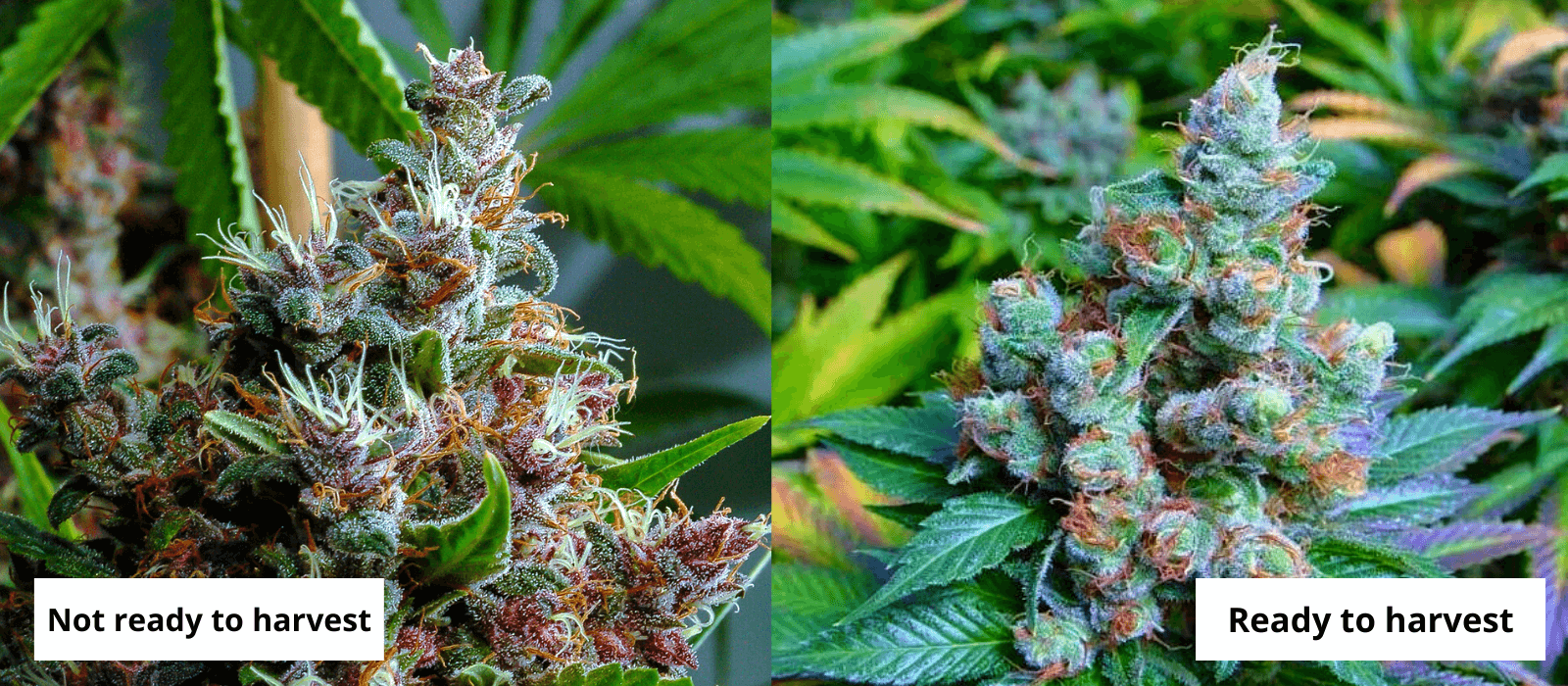 The terpenes in your cannabis buds are negatively affected by incorrect harvesting times, meaning that the overall quality of your cannabis will decline. Therefore, just like you wouldn’t want to harvest fruits or vegetables not at peak ripeness, you shouldn’t put so much work into your cannabis plant if you don’t intend to harvest your buds at their peak ripening stage.
We will discuss everything you need to know about your cannabis buds’ ripening process, so you can ensure your next harvest is the best one yet. So continue reading to learn about the cannabis buds’ ripening process and become a better grower.
What is Cannabis ripening?
Cannabis ripening does not occur until your plant reaches its flowering stage. Therefore, during the vegetative and seedling stages of your cannabis plant, your focus will be on getting your plant to the flowering stage. Once your cannabis plant achieves flowering, you need to keep an eye out for ripening to ensure you puck your buds at the right time.
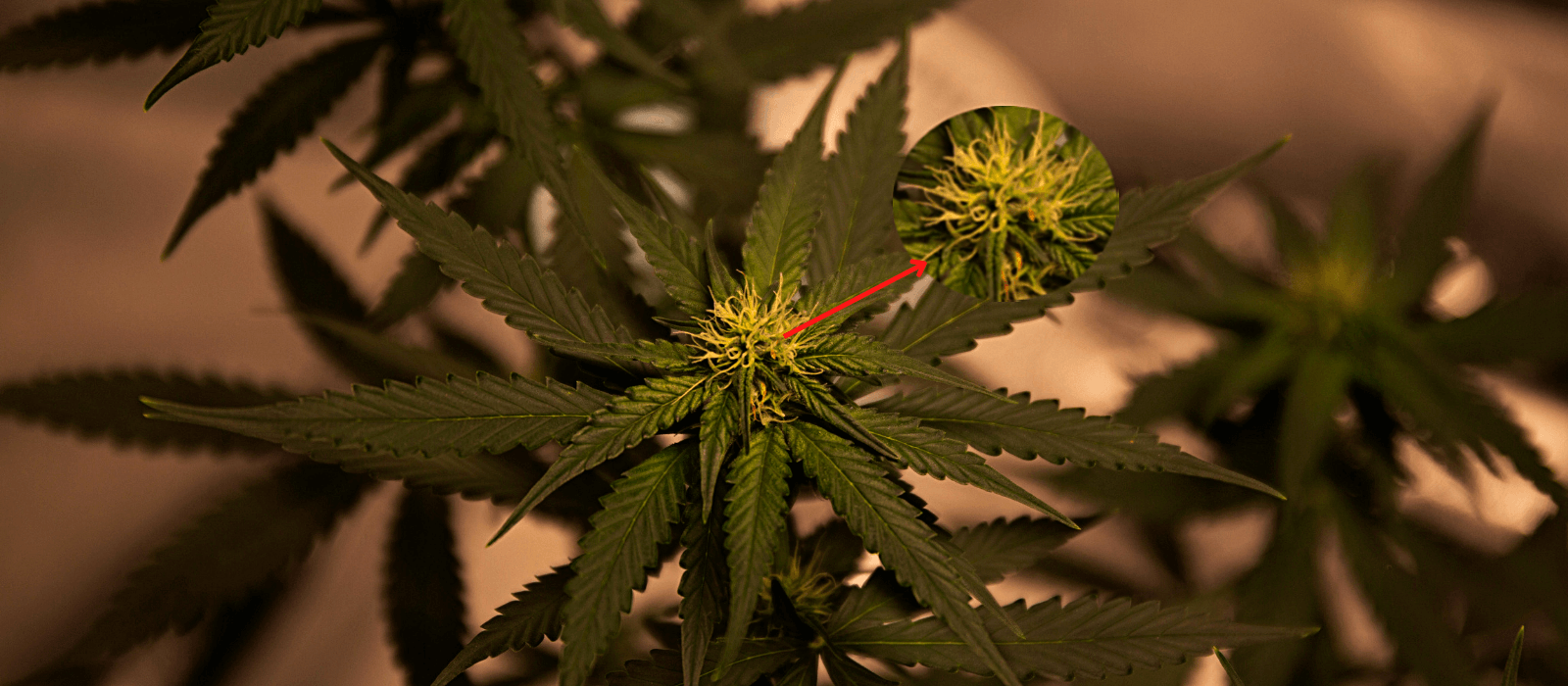 Most of the time, once your cannabis plant reaches the flowering stage, it will take between nine and ten weeks for the cannabis buds to ripen. Your buds need this time to age so that your weed is of the peak quality and has fully developed terpenes. Some strains of cannabis take shorter or longer periods to ripen fully, depending on the cannabis seeds you use.
While your cannabis plants bloom, the cannabis buds will get larger. Indica strains of cannabis usually grow between 25 to 50 percent in height. Sativa strains of cannabis can expect even more growth during the ripening process. Most of the time, Sativa strains of cannabis will become double their height during the nine weeks of ripening.
During the nine-week ripening process, you will also notice your cannabis buds become more aromatic. Buds with a weak aroma may not be ready for harvest yet and could go another week or two depending on the stain of cannabis you grow. Buds that develop very aromatic will usually have a well-developed terpene profile, giving your cannabis appealing effects.
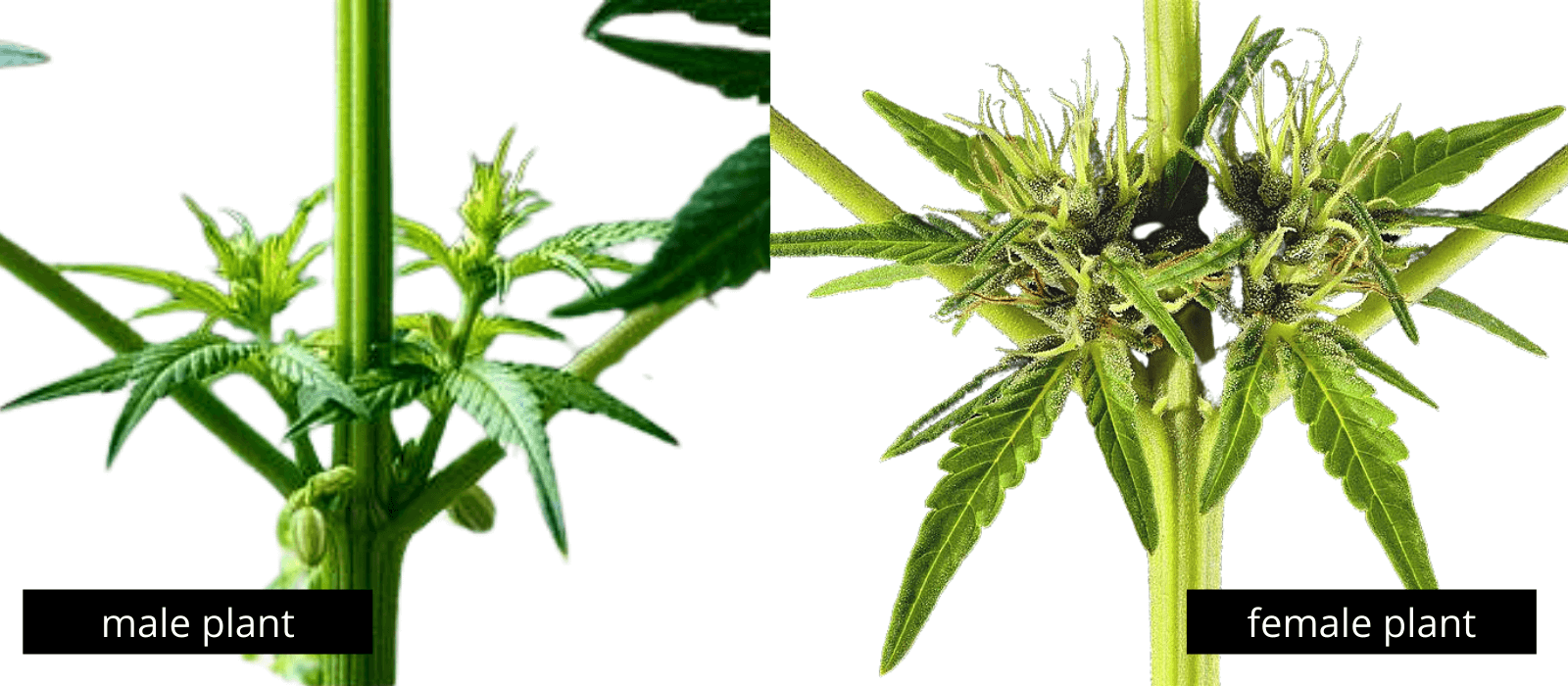 Cannabis can be male or female, and the growth of your cannabis during the flowering process will vary depending on the sex of your cannabis plant. Male plants stretch and grow rapidly during the ripening process while the cannabis plant flowers. Female plants will still grow but not as much as male cannabis plants during the ripening process.
The larger and fuller your cannabis buds are during their peak ripeness, the higher quality your harvest will turn out. Therefore, growers strive to achieve large voluptuous buds when growing cannabis. This rule applies to both Indica and Sativa strains of cannabis.
How to become a master of picking ripe cannabis buds?
There are not any rules that are set in stone when it comes to when you should harvest your cannabis. Most people try to pick their cannabis buds when the crop stops developing white pistils. However, some people seek out a rapid harvest, so they will spick the buds while the white pistils on the bud continue to develop. The potency is likely not fully developed, and the crop is not at peak ripeness.
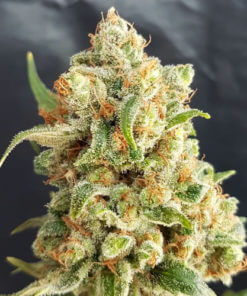
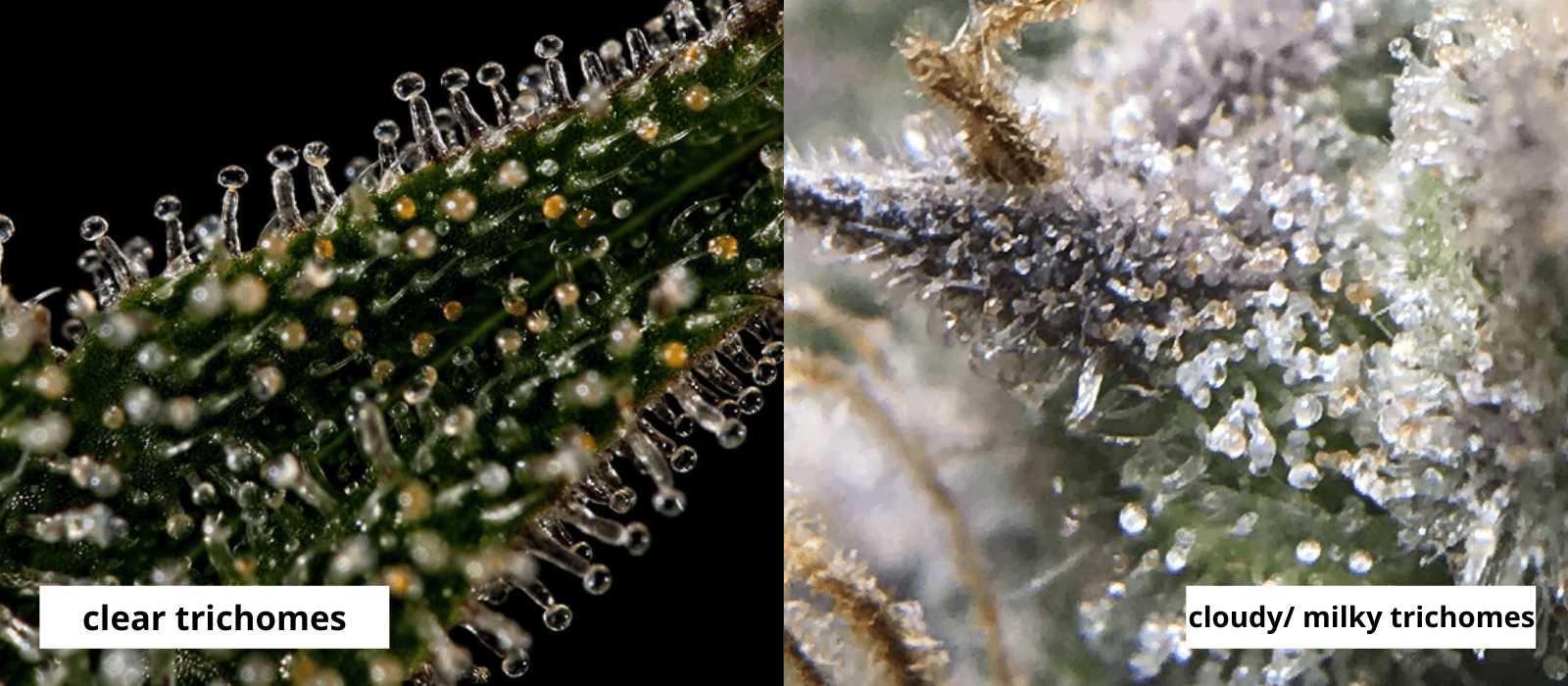
Growers seeking to pick their buds at peak ripeness will seek a cloudy instead of clear appearance on the bud’s trichomes. When the trichomes are mostly cloudy, the cannabis bud is as developed and ripened as possible. If you wait too long to harvest your buds after the trichomes are mostly cloudy, they will ripen too much and lose their luster. While if you pick your buds while the trichomes are clear, you don’t give the bud enough time to develop to its full potential.
 When a grower allows their buds to overdevelop, the effect, when consumed, can make the consumer tired. These buds commonly feel heavy and induce drowsiness, so if you want your weed to help you sleep, you may want to let the cannabis buds develop longer than usual. However, if you don’t want to induce drowsiness, you should pick the buds at their peak ripeness.
Stages of ripening cannabis buds by week
1-3 week cannabis bud ripening
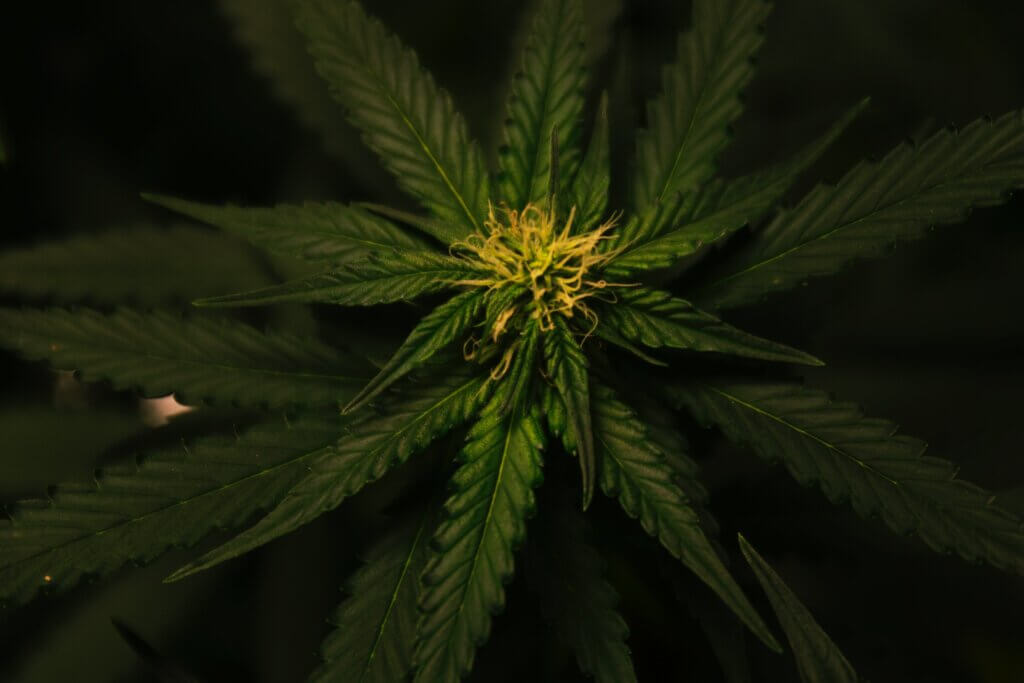
This stage is when the bud first blooms and is not nearly ready for harvest. You will notice tiny white hairs form on the cannabis buds and start translucent. These white hairs are pistils, and they develop at the points where the cannabis buds begin to bloom. Sativa strains of cannabis will extend during the first three weeks of the cannabis buds’ ripening process.
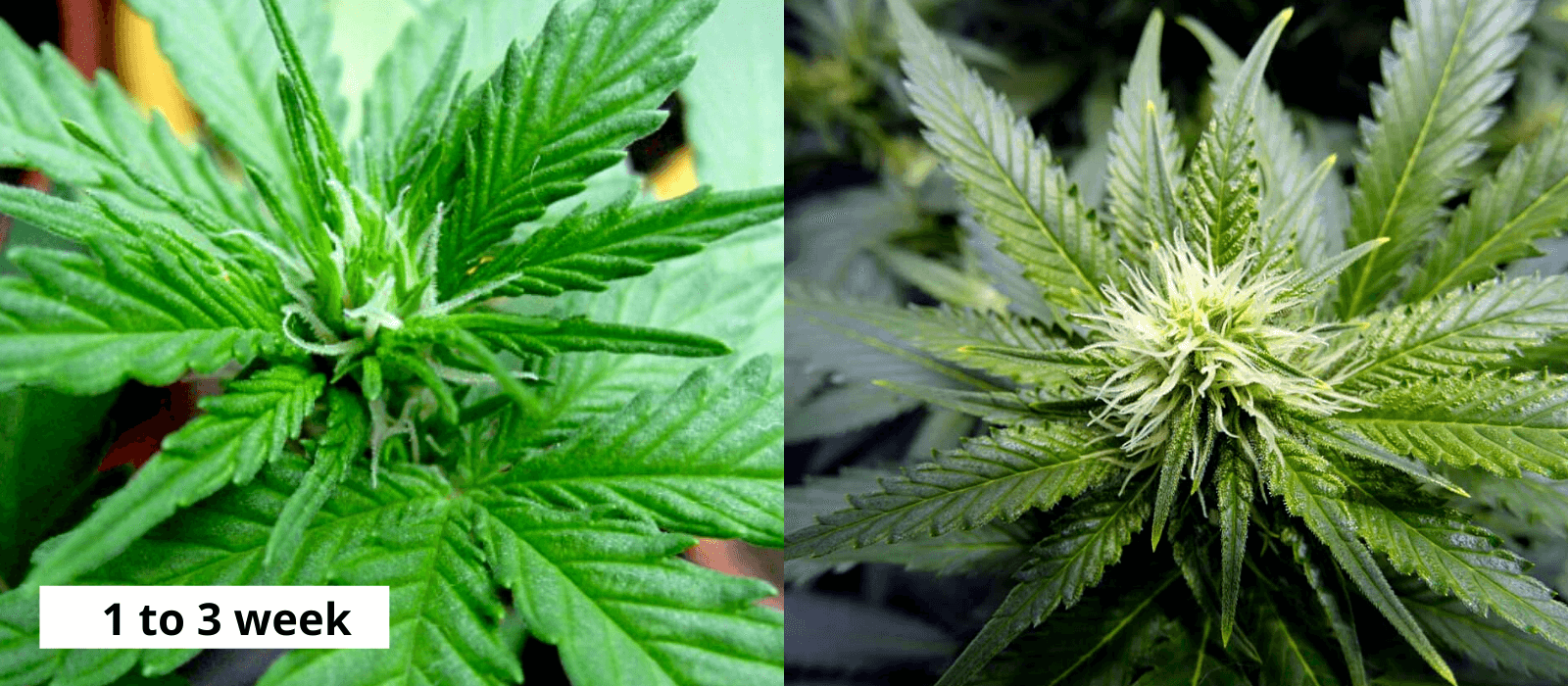 The bloom points on your cannabis plant will be minimal during the first three weeks of the bud ripening process. However, additional bloom points will develop on your cannabis plant as the weeks go on.
4-6 week cannabis bud ripening
More buds will be present in the middle of the ripening process. The translucent pistils on the bud sprout points will lose some of their translucency but still be mostly see-through. For Sativa plants, you may notice the cannabis plants won’t stretch much more than they did in the initial three weeks of the ripening process. After the stretching process comes to a halt, the growth will focus on the buds.
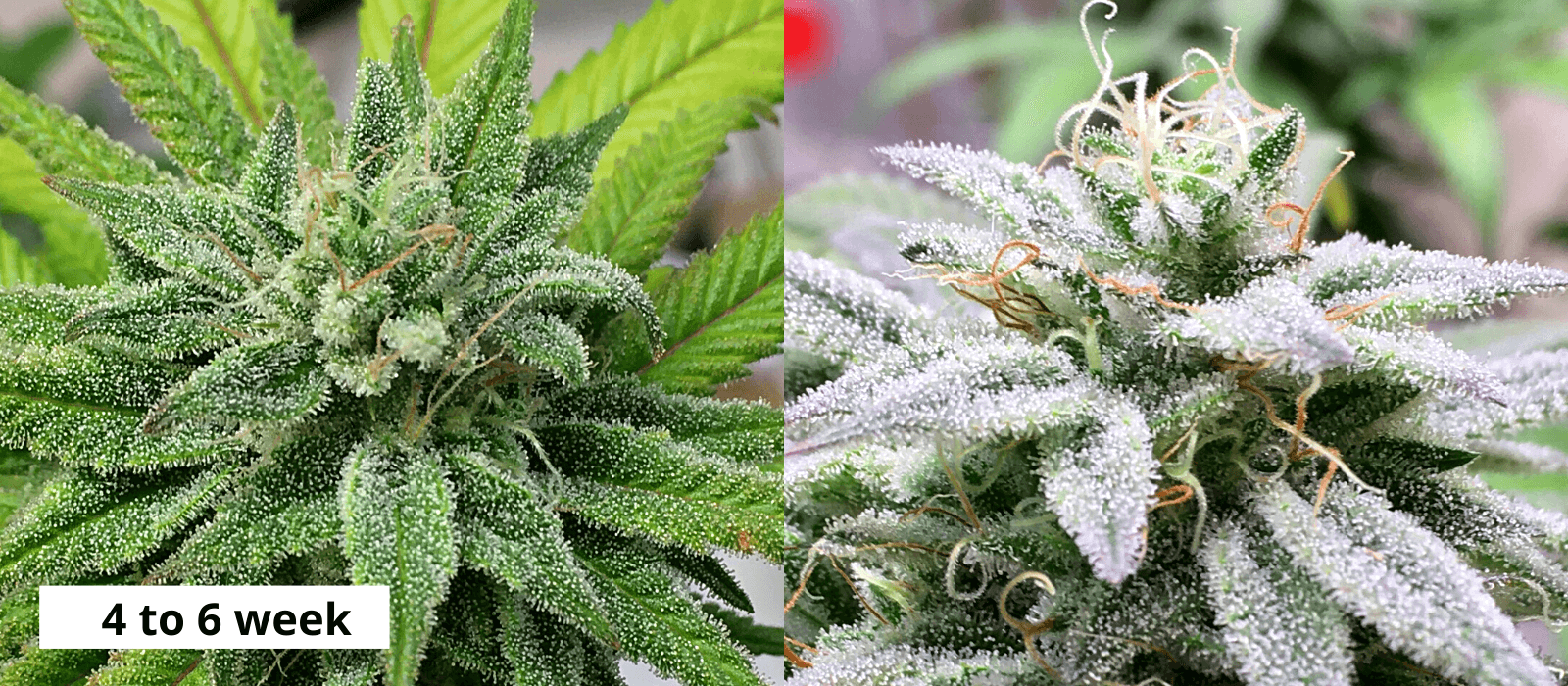 Your buts will grow and appear more voluptuous during the middle of the cannabis buds’ ripening process. This happens because the weight of the cannabis buds will wear down the stems as they enlarge. This stage of the ripening process is crucial for providing you with large, heavy buds for your harvest.
7-9 week cannabis bud ripening
The final stage of your cannabis buds’ ripening stage starts at the seven-week mark. During these last few weeks, you will observe your cannabis buds at their maximum weight and size. This stage is the phase where the terpenes and resin will develop fully because the size of the buds is fully developed. THC also develops rapidly after the seven-week mark and will reach maximum potency at the nine-week spot usually.
Cannabis flowers do not pollinate, so the energy is focused on developing the effectiveness of the crop during the final ripening weeks. Some strains of cannabis may need additional weeks to develop during the ripening process. For example, Sativa strains often take weeks to reach their peak ripeness. When the bud is ready for harvest, the pistils will be cloudy, so check the pistils on your cannabis to determine if it is appropriate to harvest. Harvesting too soon or too late can give your cannabis adverse effects or an off-taste.
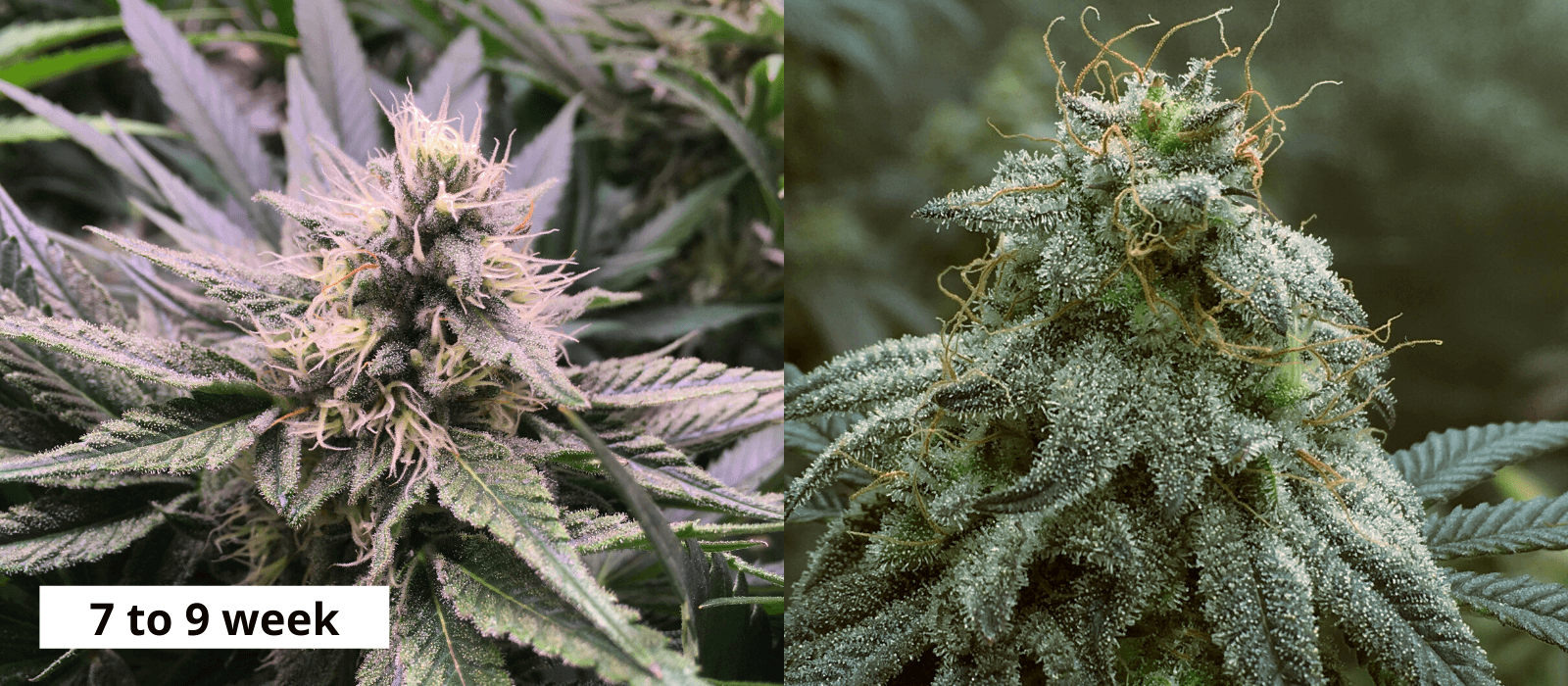 Be aware of the types of cannabis strain seeds you plant before reaching this final harvesting stage. Different strains of cannabis will get full ripening depending on the seeds you initially germinate. During this final stage of cannabis, bud ripening, the bud will not grow more in size or weight. They may stretch out slightly as the terpenes develop, but the weight will not increase past the seven-week mark significantly.
Avoid overripe cannabis buds
It is common for growers to allow their buds to develop for an additional week past the recommended harvest point because they may seek a more soothing effect on their cannabis. When cannabis buds ripen slightly beyond the recommended time frame, the buds will promote drowsiness in their consumers. This effect is sought after by people who struggle to sleep naturally.
However, the bud will over-ripen if the cannabis pant is left to ripen beyond its peak ripeness. Buds that are over-ripened will have a brownish yellowish hue when it is supposed to be vibrant green. In addition, these buds will carry a hint of a sour aroma that signifies too much fermentation. These buds will have an off flavor when consumed and weaker effects than cannabis at its peak ripeness.
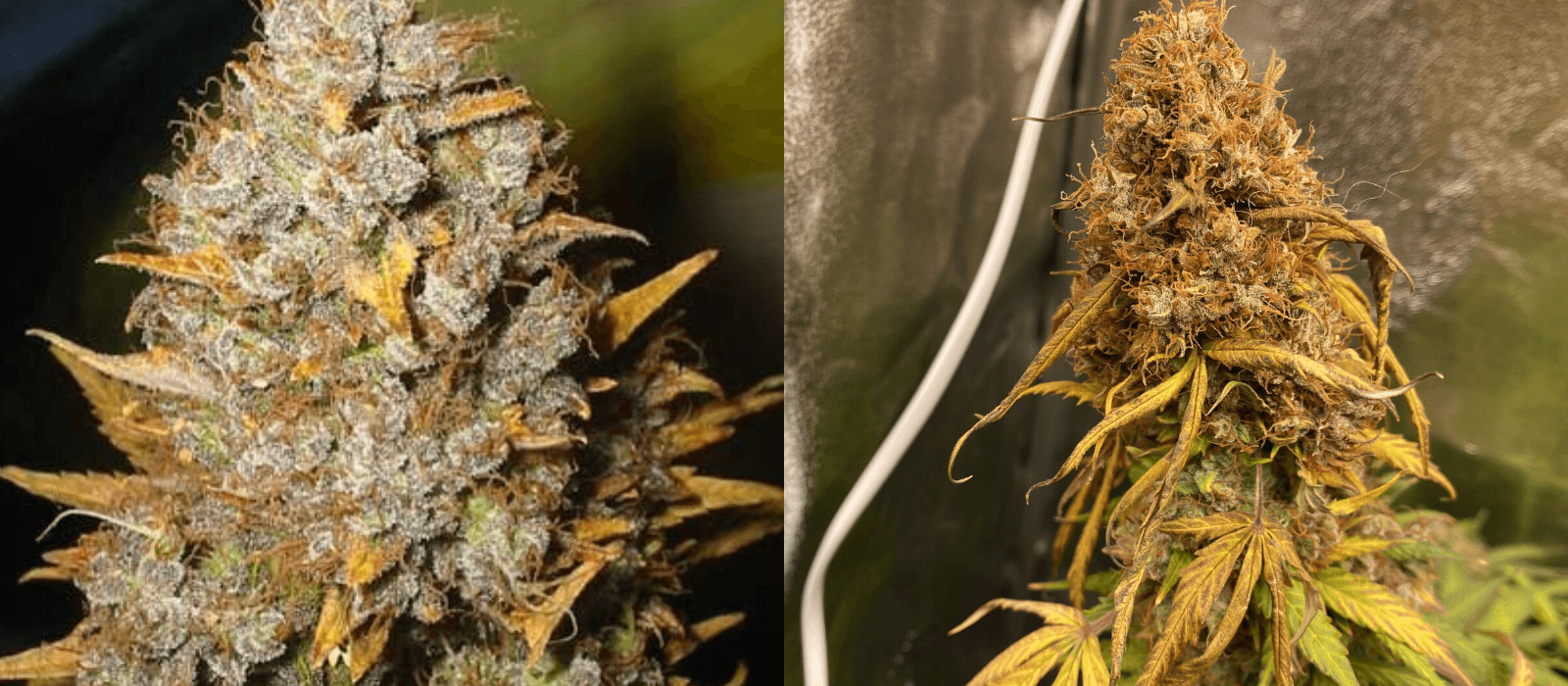 If you notice your buds take on a yellowish hue, you should harvest them before going too far. Usually, allowing the buds an extra week to ripen past the recommended date will not over ripen them, but anything past the extra week can be risky. Waiting too long to harvest your cannabis can ruin the final product. A magnifying glass can help you spot peak ripeness in your cannabis plants before they ripen too much.
During the final week or two of your cannabis buds’ ripening process, it would be in your best interest to pay close attention to the development of your buds. Allowing the buds to go too little or too long can cause you to waste your product. On the other hand, a close, careful eye will help you reap a high-quality cannabis bud.
Three stages of cannabis trichomes ripening.
There are three stages growers need to be aware of when growing their cannabis plants. Cannabis trichomes develop in different stages and strongly indicate when to harvest your buds. Paying attention to your trichomes is vital to ensure that you harvest your buds at peak ripeness.
Being unaware of the trichomes in your cannabis plants can cause you to harvest your buds at the wrong time. Instead, you can use a magnifying glass to closely inspect your cannabis trichomes during the immature, mature, and overripe stages. Monitoring your trichomes will ensure your final product is as high-quality as possible.
Trichomes at an immature stage (under-ripe buds – not ready to harvest)
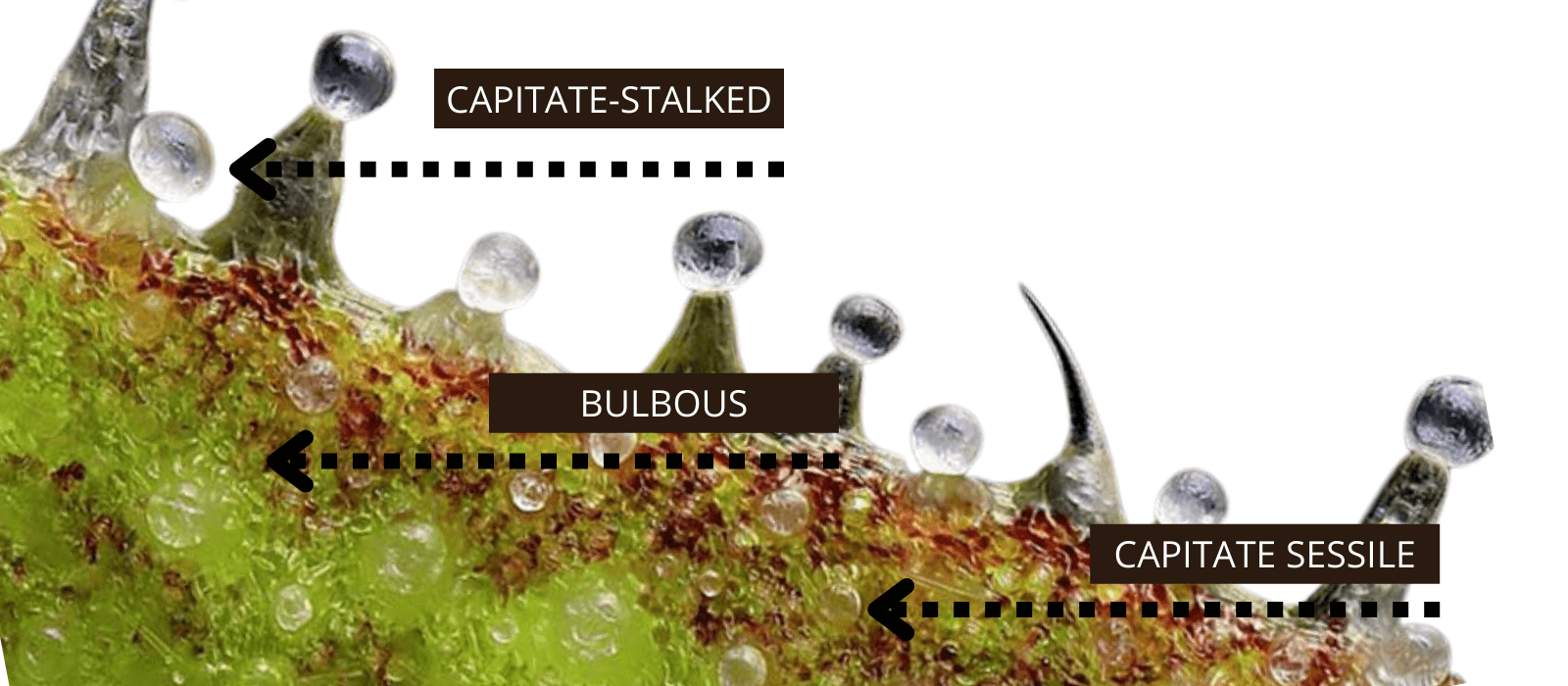 When your buds’ trichomes are in their immature stage, the bud is far from ready for harvest. The trichomes will be translucent white, and only a few will appear during the immature stage. Some people prefer to harvest their buds while the trichomes are immature because they can give the consumer a burst of energy. Harvesting buds early is not as typical of practice as harvesting cannabis buds late.
When the trichomes lose their translucency and become cloudy, this is a strong indicator that the buds are stretching beyond the immature phase. Most growers will not harvest their buds until the trichomes of their cannabis buds lose their translucency. Harvesting your buds during this immature stage will also cause your buds to lack flavor and aroma.
Trichomes at the mature stage (ripe buds – ready to harvest)
When the trichomes in your cannabis plant become mature, this is the recommended stage to harvest your buds. As a result, your trichrome will be cloudy instead of translucent and plentiful in quantity. While not everyone prefers to harvest their buds when the trichomes reach their peak ripeness, it is most common for most growers to harvest their buds in the mature stage.
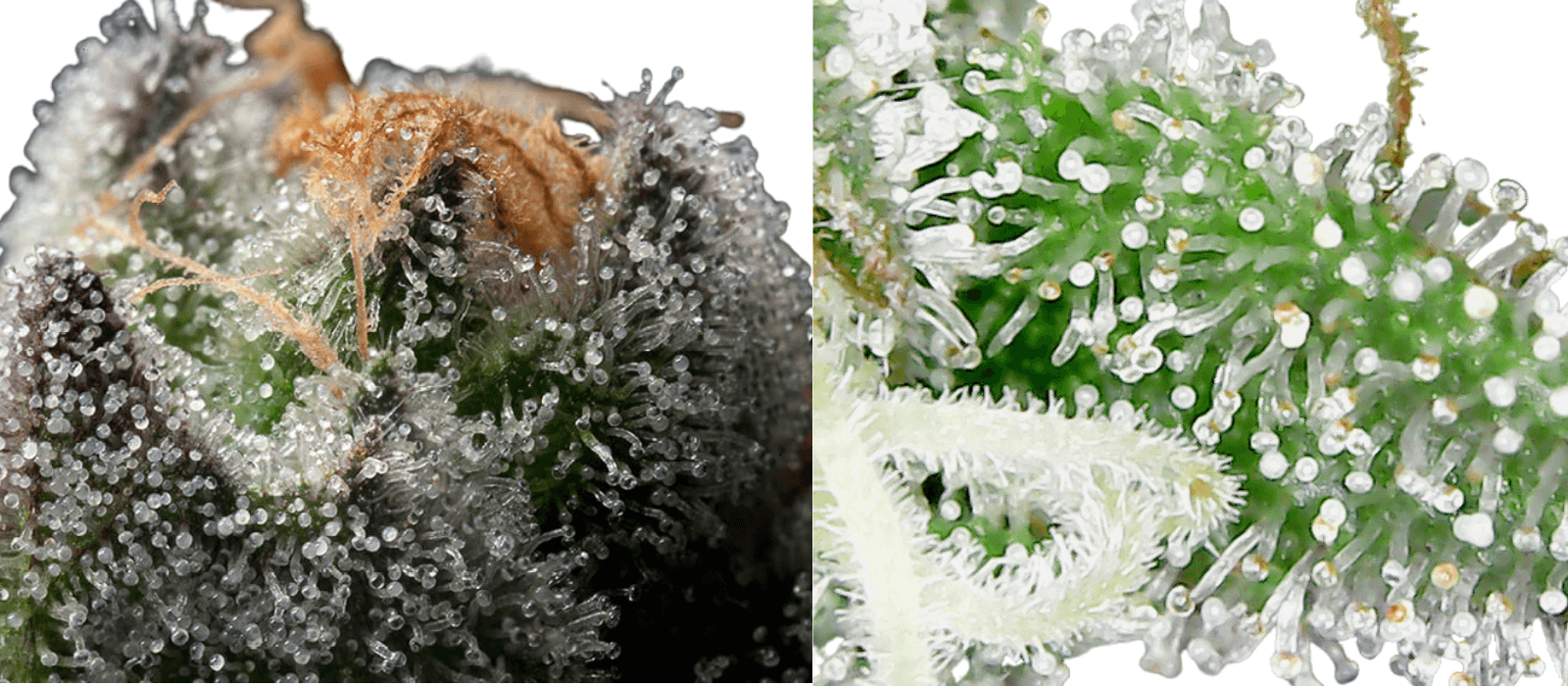 You may see amber coloration in your buds during the mature stage of their ripening. This sign is also a strong indicator that it is time to harvest. Waiting too long to harvest your cannabis will cause overripening. On the other hand, if your trichomes exceed the mature stage too much, your buds can carry an unpleasant fermented aroma.
Trichomes at an overripe stage (over-ripe buds – preferred by some)
Some growers prefer to let their cannabis ripen for an extra few weeks after fully maturing. This is called overripening your cannabis buds. When cannabis overripens, it will be primarily amber in color and very cloudy. These overripened trichomes can cause your bud to have a slightly fermented, sour aroma.
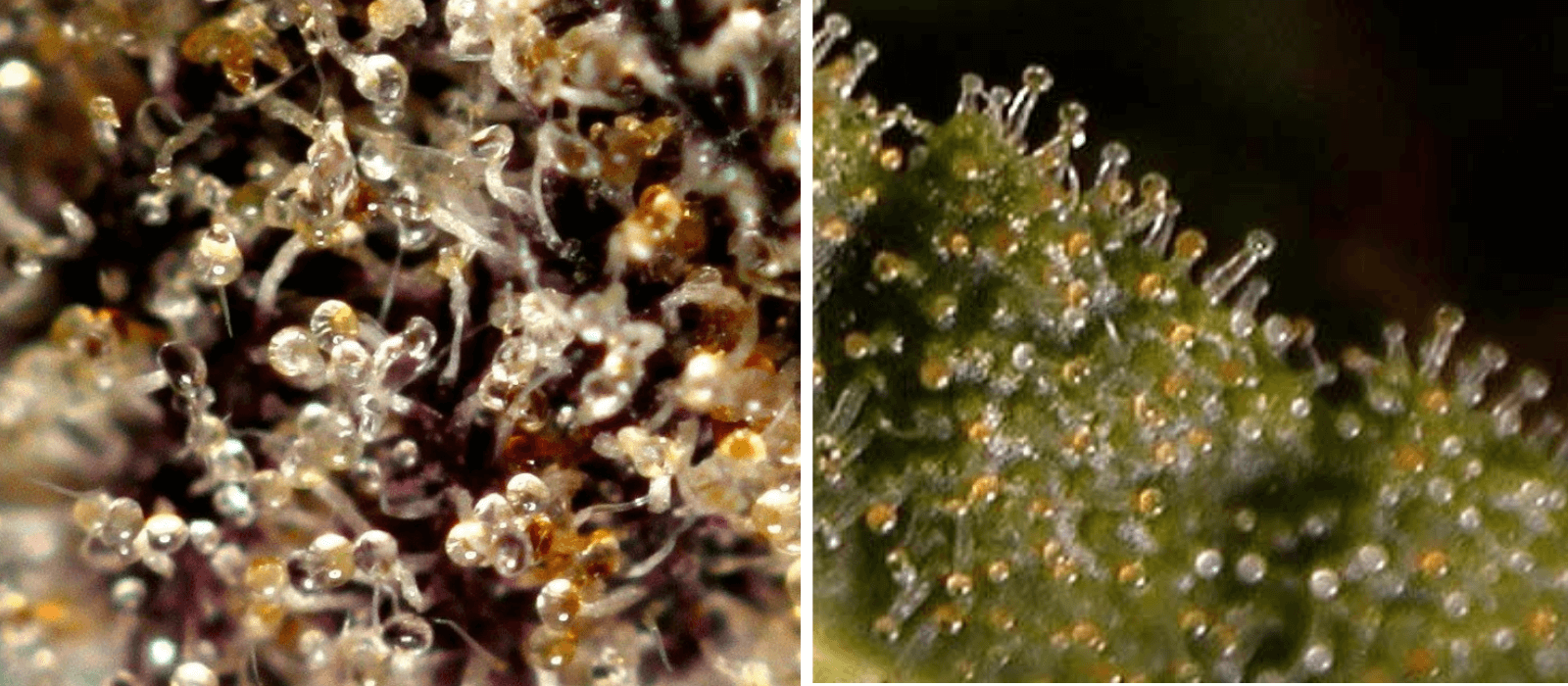 Overripe cannabis buds will have a heavier drowsy effect on the consumer. However, when the buds ripen for too long, they can go sour and be unpleasant to consume. More than two weeks past the mature stage of your trichomes can ruin your bud harvest. People who have difficulty sleeping may prefer to let their buds mature past the recommended harvest time by two weeks.
Best cannabis bud ripening techniques
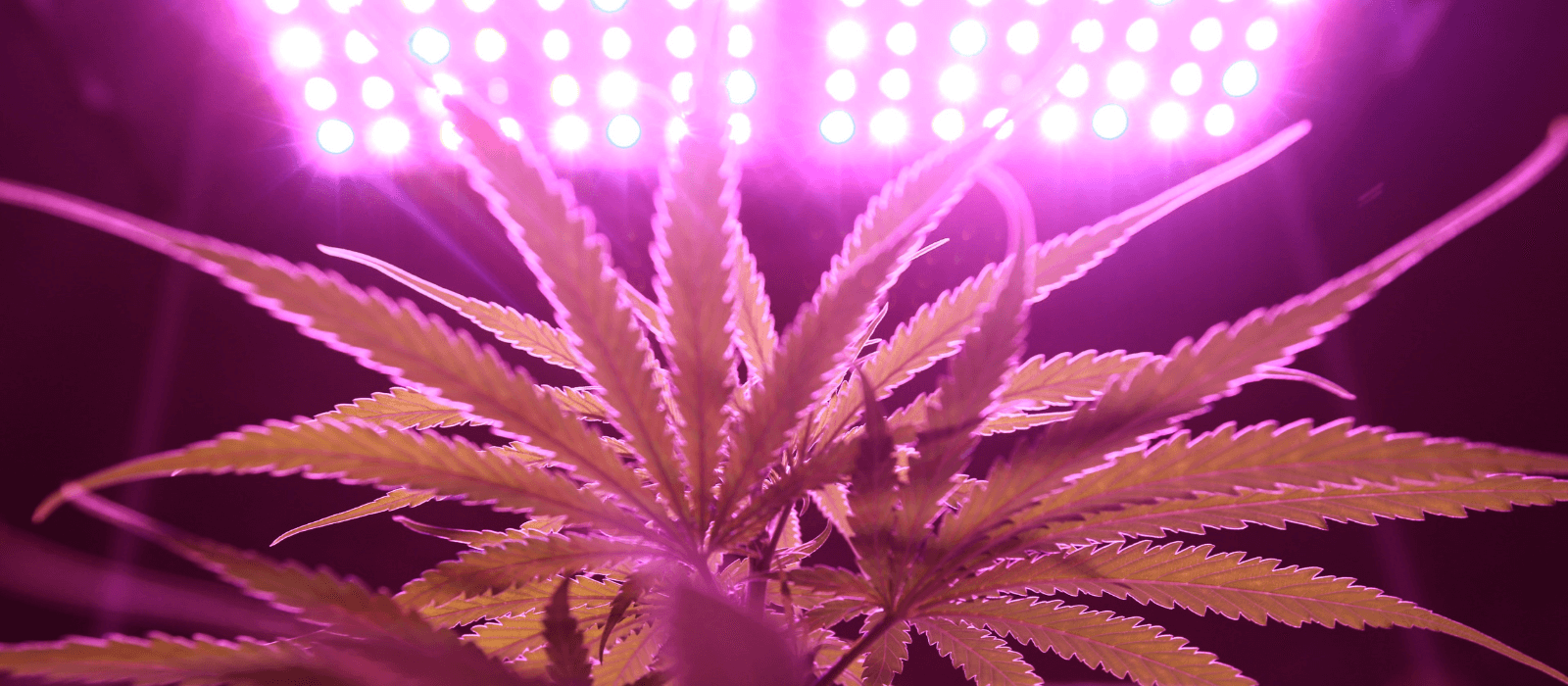
Many growers prefer to use LED lights when growing their cannabis. However, when you buy LED lights, you should ensure that your lights have a full spectrum of light or essential nutrients and will have difficulty growing and producing low-quality cannabis plants. In addition, quality LED lights can help your cannabis pants develop fantastic terpene levels.
Consistent LED lighting that provides the entire light spectrum will help you produce great cannabis buds. Buds grown under full-spectrum LEDs often become more prominent and have better terpene levels than cannabis grown from other lighting methods. Cannabis buds grown under LED lights will also ripen better than v=cannabis buds grown under different types of lighting.
 You also need to make sure your cannabis plants receive enough nutrients without overdoing it. When cannabis plants receive too few nutrients, they can wilt, and if they receive too much of a single nutrient, they can lock out the other nutrients it needs to thrive.
Indoors
Growing cannabis indoors is prevalent because the grower controls the growing process. Cannabis plants grown indoors are not subject to severe weather changes or insufficient light that can damage the cannabis plant. By growing your cannabis indoors, it will be easier to avoid mold, humidity, and pests from disrupting the growth of your cannabis.
People also prefer to grow cannabis indoors because indoor growing allows them to grow year-round. During the winter in many locations, cannabis plants can’t grow outdoors. By growing cannabis indoors, there is no need to worry about your plants freezing because you control the climate. In addition, most commercial cannabis growers prefer to grow their crops indoors under LED lighting.
Outdoors
When you grow cannabis outdoors, you lose control over the climate. Outdoor cannabis crops will be subject to severe weather, pests, potential mold, and inconsistent light. However, that doesn’t mean your cannabis will turn out poor because it was grown outside. Some people don’t have the indoor space to grow their cannabis, which is okay.
There are strains of cannabis that are developed to thrive when grown outdoors. Seek out cannabis seeds designed to withstand the elements, and you may have no trouble growing fantastic cannabis outside. Another step you can take when growing cannabis plants outdoors is using great soil.
The soil you use is the foundation of a well-grown cannabis plant, especially in outdoor climates where you may not have control. People who grow cannabis outdoors should also invest in a weatherproof covering to protect their cannabis plants from severe weather. Following these methods will ensure your cannabis plants will stay in peak condition while they grow outside.
Cannabis ripening FAQ
The ripening of your cannabis plant is one of the most vital parts of your cannabis plant’s growing process. Being unaware of essential aspects of a cannabis plant ripening process can ruin your whole harvest. We will answer other questions you may have about the ripening process of your cannabis plants below.
What is shock ripening?
Most people shock ripen their cannabis plants by not supplying the plants light for three days. They do this in hopes that more resin will occur before they harvest the buds. Some other growers shock ripen their cannabis crops by watering them with icy water shortly before harvest. They do this to give that cannabis a rich amber color.
There is some doubt from growers if shock ripening improves the quality of their cannabis. Therefore, it is worthwhile to try it on some plants to see if shock ripening works well.
Can you make cannabis buds ripen faster?
Yes, if you have the right seeds and can isolate your crops from light when you want, you can encourage your cannabis to ripen faster. You only supply the cannabis crop with 12 hours of light a day to do this. However, this process does not work on all strains of cannabis and can ruin your crop if done wrong.
How to accelerate cannabis buds’ ripening?
You can use red LED lighting to accelerate the ripening process of your buds. This type of light is present in the light that comes from the sun and can promote ripening when added to your other LED lights. However, some growers are unsure if this method works because, on average, it only reduces maturation time by ten percent.
Does light intensity influence ripening times?
The intensity of your light doesn’t alter your ripening times, and it’s more the quality of your lighting that can change the time it takes for your crops to ripen. Most cannabis growers prefer to use LED lighting when growing cannabis because it has consistently provided growers with great mature buds. No other type of light yields as good of results on a cannabis plant as LED lights.
Can red light make cannabis ripen early?
Yes, adding red light to your ripening process can cause your buds to mature early. This situation happens because the red light can help simulate natural sunlight. However, ripening times will only increase by ten percent, so many people don’t implement red light in their bud ripening process. In addition, due to the marginal amount of time saved by red light, many people doubt it affects the cannabis ripening process.
Why are buds taking long to mature?
Different strains and phenotypes of cannabis can take longer to mature. If you are an indoor grower, you may also see faster maturation by increasing the temperature of your grow room. Low temperatures can stunt the ripening of your cannabis. Outdoor growers may see slow maturation depending on the present weather conditions because outdoor growers cannot control the climate.
The best way to improve the maturation of your cannabis plant is to keep it in ideal conditions. The conditions include climate, soil, and the amount of light you provide your cannabis plant. If you have provided the best conditions possible to promote the maturation of your cannabis plant, then the best thing you can do is be patient and keep a close eye on the maturation process.

