Feminized Seeds
Mimosa
$24$191+1 Free
- 70% Sativa
- Energizing Daytime Experience
- Fresh Citrus Symphony
- Ideal for Green House Cultivation
- Ideal for Outdoor Cultivation
- Ideal for Tropical Climate
- Up to 25% THC
- XL Harvest
view product



Mimosa is a lively and citrus-packed strain with a bright personality that shines in any grow space. Its flavors mix Lemon Tree, orange blossom, pine, and earthy sweetness, creating a terpene profile that fills a room quickly. With a creative and uplifting high, Mimosa has become a favorite for growers who enjoy energetic sativa effects with reliable yields. If you want to grow Mimosa strain, its Purple Punch and Clementine genetics give you a vigorous plant that stretches well and produces sticky, aromatic flowers when given plenty of light and attention.
Feminized Seeds
$24$191+1 Free
view product
Mimosa is great for growers who want a vibrant, citrus-heavy strain with strong resin production and a happy sativa effect. It handles training well, enjoys plenty of light, and offers generous yields when given enough root space. If you enjoy strains that grow tall, stretch with purpose, and create long, sparkling colas, Mimosa is an excellent pick. Both indoor and outdoor growers appreciate its strength, speed, and flavor.
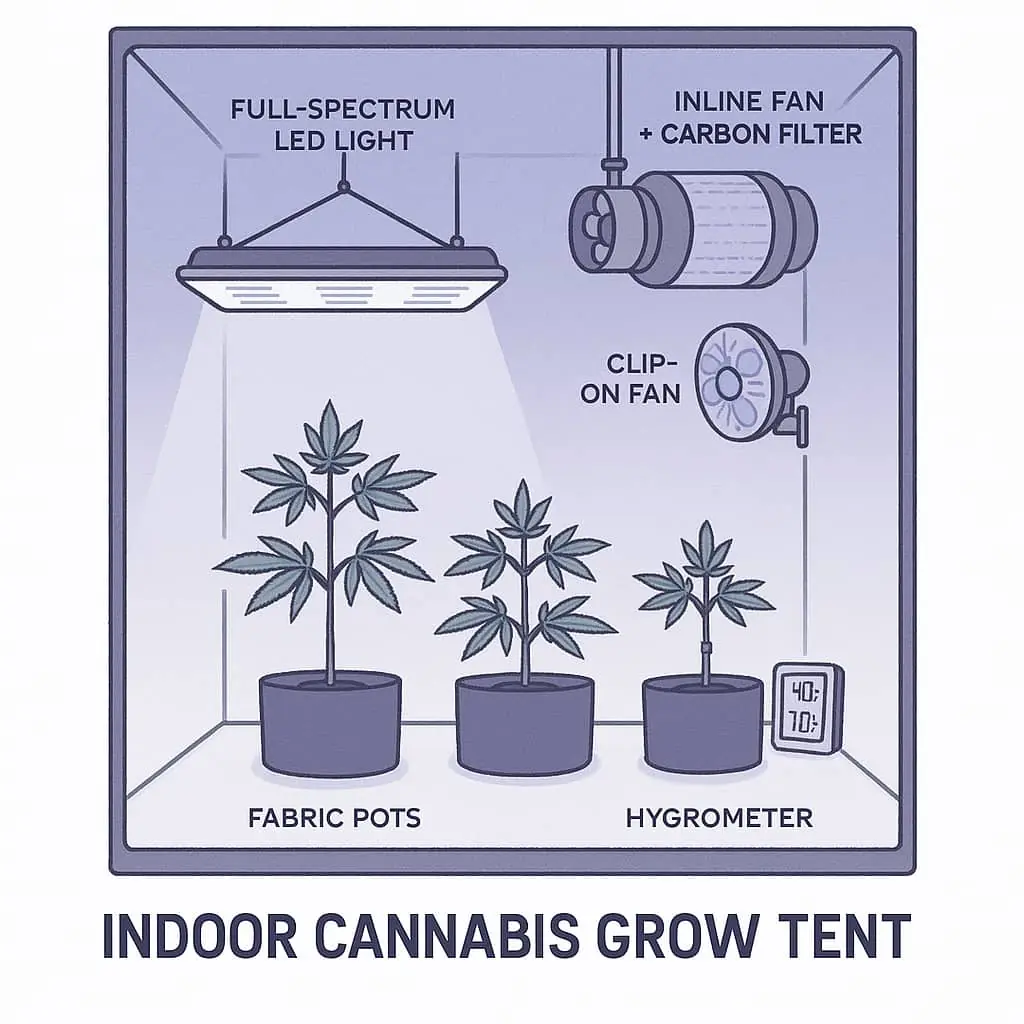
Mimosa grows best in a 3×3 or 4×4 tent with a strong LED. A 315W CMH or a 300W to 480W LED gives excellent results. Use 5 to 7 gallon fabric pots with coco or a light soil mix. She appreciates consistent airflow, steady temperatures, and humidity control during stretch.
Key indoor notes:
Outdoors, Mimosa strain thrive in warm climates with long sunny days. A Mediterranean-style climate brings out the best citrus flavors. Plant directly in the ground or use 20 to 50 gallon pots for extra volume.
Key outdoor notes:
Harvest usually arrives in early October.
| Stage | Temp | Humidity | Light Cycle |
|---|---|---|---|
| Germination | 72 to 78 F | 70 percent | 18/6 |
| Seedling | 72 to 77 F | 60 to 65 percent | 18/6 |
| Vegetative | 72 to 80 F | 55 to 60 percent | 18/6 |
| Pre-Flower | 72 to 80 F | 50 to 55 percent | 18/6 to 12/12 |
| Flower | 68 to 78 F | 45 to 50 percent | 12/12 |
| Ripening | 65 to 75 F | 40 to 45 percent | 12/12 |
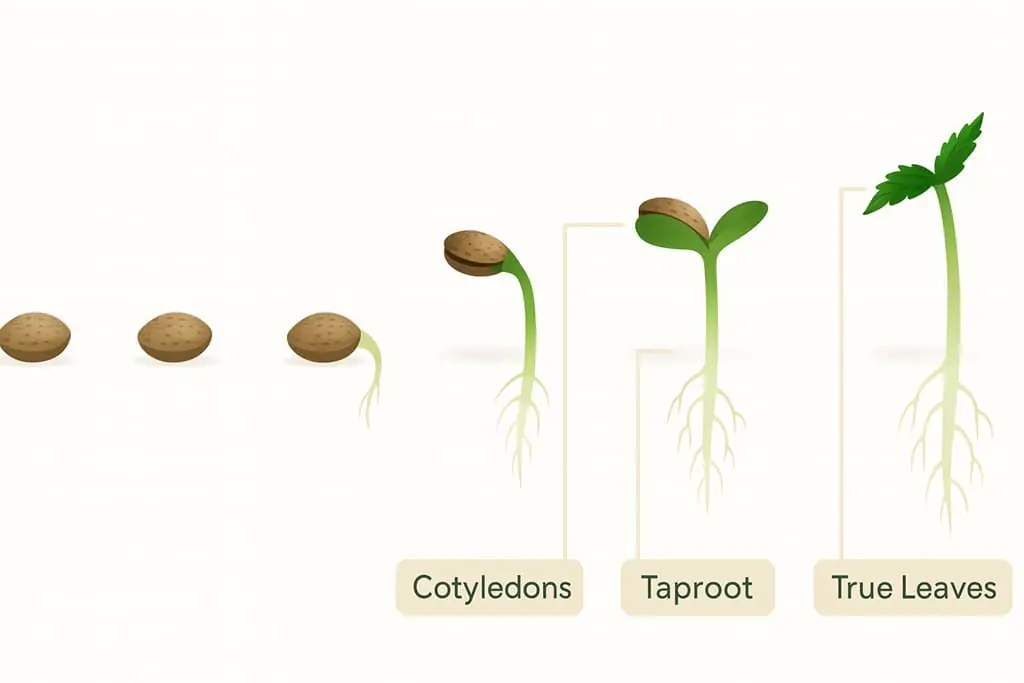
Mimosa germinate quickly and form healthy taproots. She starts with narrow, sativa-style leaves.
What to do:
By the end of week 2, you should see strong seedlings with several early leaf sets.
Mimosa starts building height and root strength this week.
What to do:
Expect a plant around 4 to 6 inches tall with good internodal spacing.
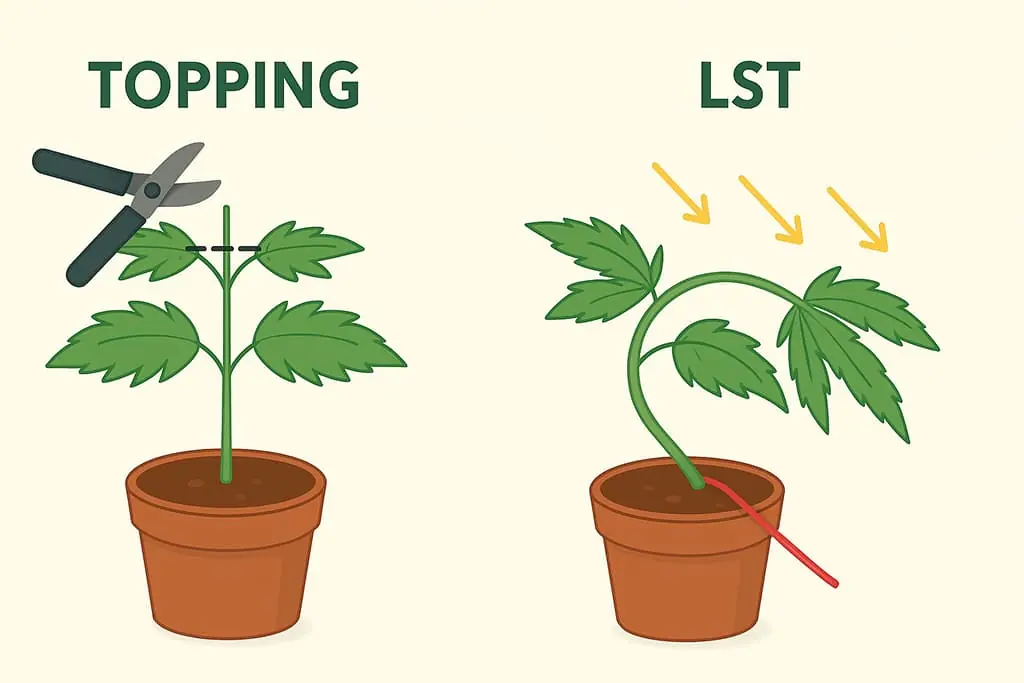
This is the perfect week to shape Mimosa. She reacts well to topping.
What to do:
By the end of this week, your canopy will start widening, which helps control stretch later.
The moment you switch to 12/12, Mimosa begins a strong stretch. Sativa genetics show clearly now.
What to do:
By the end of week 6, white pistils appear and the stretch slows down.
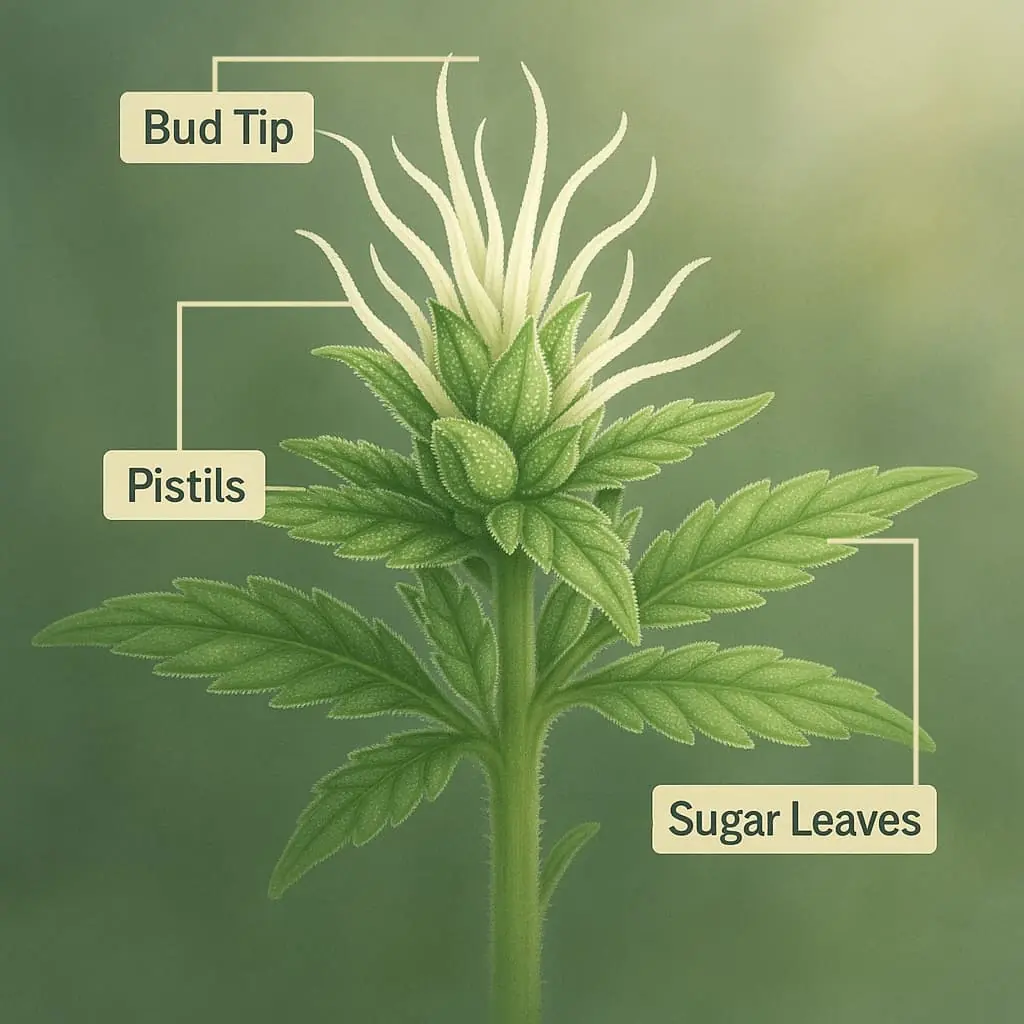
Mimosa starts building long, citrus-scented colas. Resin production increases quickly.
What to do:
Aromas become very noticeable now. Expect steady bud swelling and trichome development.
Mimosa reaches her final density and oil production during these weeks.
What to do:
Buds become denser, stickier, and more fragrant.
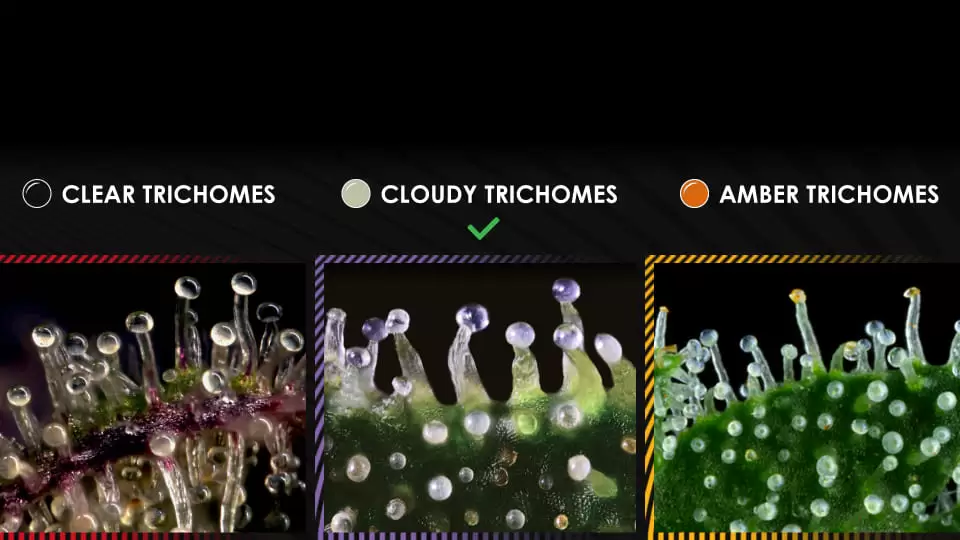
Harvest during the first half of October for peak effects and flavor.
What to do:
Once cured, Mimosa delivers a fresh citrus aroma and a long-lasting uplifting effect.
Mimosa is a rewarding strain for growers who enjoy bold citrus flavors, strong resin production, and energetic sativa effects. This guide covers everything you need if you want to grow Mimosa strain from start to finish and truly learn how to grow Mimosa strain with confidence. With attention to training, airflow, and steady light, Mimosa consistently performs well indoors and outdoors.
👉 Explore the Mimosa seeds
👉 Browse all Sativa cannabis seeds
👉 Read more on Mimosa’s strain profile on Leafly
How long does Mimosa take to flower?
Around 9 to 10 weeks indoors.
Is Mimosa easy to grow?
Yes. It responds well to training and grows vigorously.
How tall does Mimosa get?
Around 60 to 80 inches depending on pot size and vegetative time.
Does Mimosa prefer indoor or outdoor growing?
Both work well. Outdoors provides larger plants, while indoors offers better environmental control.