
✕
CBD vs. THC: Understanding the Key Differences
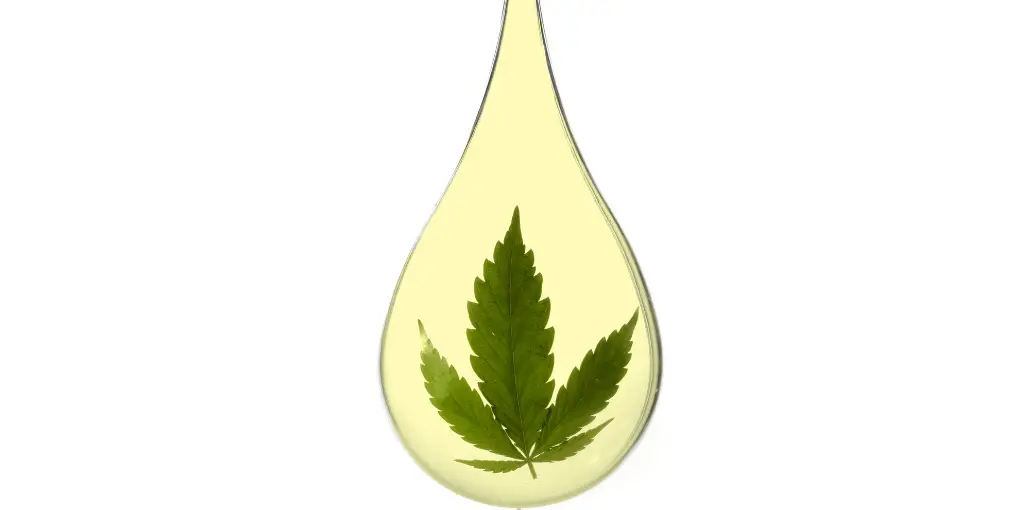
The cannabis landscape is evolving rapidly, driven by the growing popularity of two major cannabinoids — CBD (cannabidiol) and THC (tetrahydrocannabinol).
Both compounds are naturally found in cannabis plants, yet they offer very different experiences and effects. Understanding these cannabinoids is essential for choosing the right cannabis seeds and products for your cultivation journey.
CBD is a non-psychoactive compound that interacts with the endocannabinoid system while providing a calm and clear-headed experience.
THC, on the other hand, is known for its intoxicating and euphoric effects, often associated with the traditional cannabis “high.”
What Exactly Is THC?
THC, or tetrahydrocannabinol, is one of more than 100 cannabinoids found in cannabis plants. It is primarily responsible for the psychoactive effects commonly linked to marijuana consumption.
When cannabis is smoked or vaporized, THC rapidly enters the bloodstream through the lungs, producing fast-acting effects. In edible products, THC is metabolized by the liver into 11-hydroxy-THC, which can produce stronger and longer-lasting effects.
What Is the Entourage Effect?
THC is frequently discussed alongside the entourage effect — a theory suggesting that cannabinoids, terpenes, and flavonoids work better together than individually.
This synergy may enhance the overall cannabis experience and contribute to the unique effects of different cannabis strains.
What Is CBD?
CBD is another major cannabinoid found in cannabis. Unlike THC, CBD is non-psychoactive and does not create a “high.”
Research suggests CBD may offer anti-inflammatory, calming, analgesic, and neuroprotective properties, making it a popular option among users seeking a more balanced cannabis experience.
Forms of CBD Consumption
CBD products are available in many forms, including oils, tinctures, capsules, edibles, creams, skincare products, and vape products.
Shop High CBD Seeds
The relationship between THC and cannabis strains is influenced by each plant’s cannabinoid and terpene composition.
Sativa, Indica, and Hybrid strains all interact differently with THC, shaping the overall cannabis experience.
Sativa: Often associated with uplifting, energising, and creative effects.
Indica: Commonly linked to relaxing and sedative experiences.
Hybrid: Hybrids combine characteristics of both Sativa and Indica strains to create balanced effects.
Shop High THC Seeds
Psychoactivity: CBD provides a calm and clear-headed experience without intoxication, while THC produces euphoric and psychoactive effects.
Effects: CBD is often used for relaxation and balance, whereas THC can intensify sensory perception and mood.
CBD Seeds vs. THC Seeds
Choosing the right cannabis seeds depends on your desired effects and cultivation goals.
CBD-dominant seeds are ideal for growers seeking mild and non-intoxicating effects, while THC-dominant strains are preferred by users looking for strong psychoactive experiences.
Shop CBD Cannabis Seeds
Visually, THC and CBD seeds look extremely similar.
The appearance of cannabis seeds is determined primarily by genetics rather than cannabinoid content.
Most cannabis seeds are small, hard, and feature mottled or striped outer shells. Seed size generally ranges from 2 to 5 millimetres in diameter.
Because cannabinoid levels cannot be identified visually, laboratory testing and breeder information are necessary to determine whether a seed is CBD-dominant or THC-dominant.
When selecting cannabis seeds, several factors should be considered:
These factors help growers choose the most suitable cannabis seeds for their personal preferences and growing conditions.
CBD (Cannabidiol)
THC (Tetrahydrocannabinol)
Common Similarities

To access this website you need to be at least 18 years of age and have read and agreed to Purple City Genetics's Terms of Use and Privacy Policy. To continue please confirm: